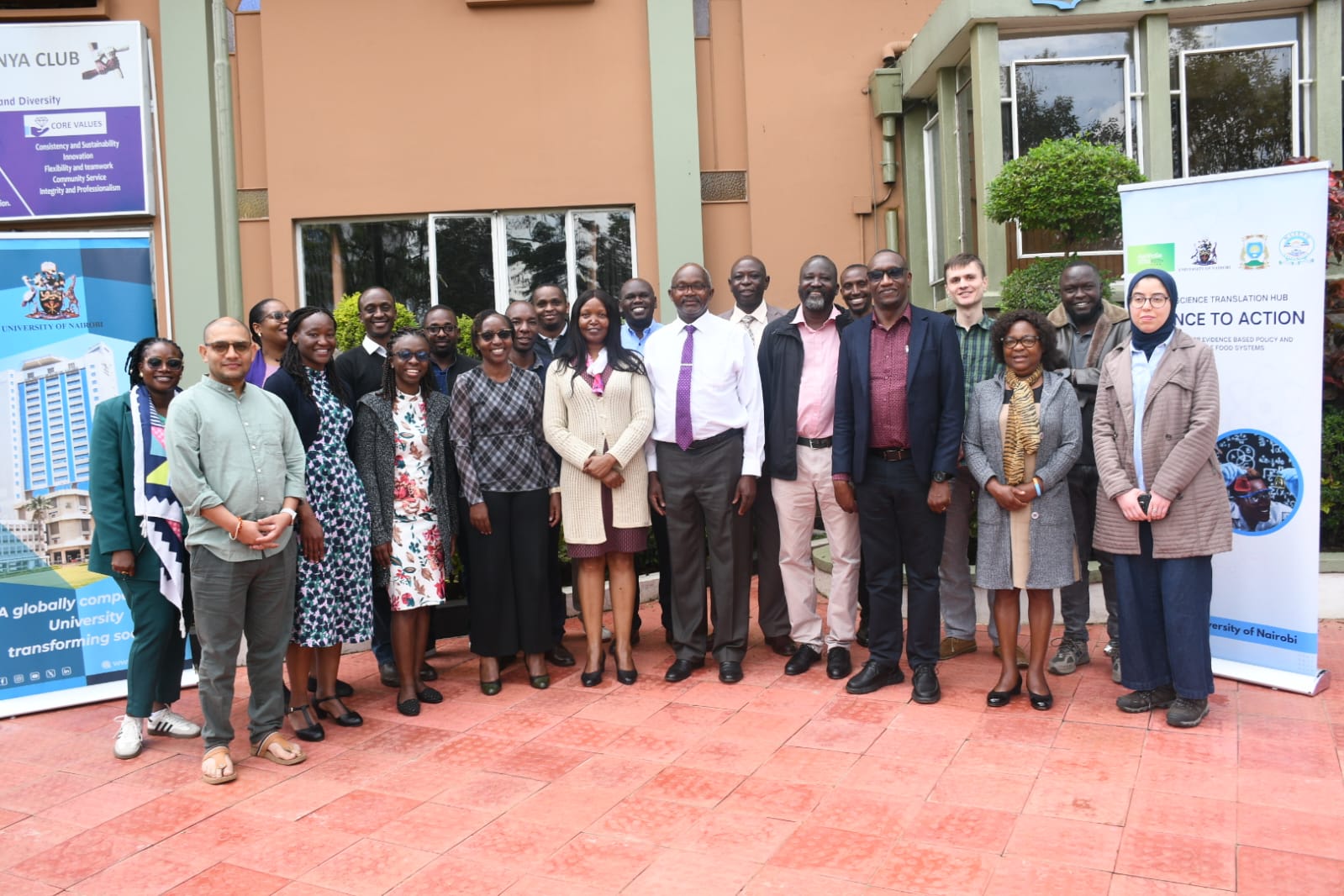
Early Career Researchers challenged to effectively communicate Research Evidence for Impact in Policy
In a week-long intense training, early career researchers from the University of Leeds and University of Nairobi went through a paradigm shift in how they communicate their research findings for impact in policy and practice for food systems. The training was conducted by the Kenya Science Translation Hub.
The training brought different experts on board; Government, Industry practitioners, Trans disciplinary experts and Communication experts who challenged the researchers in their language use, the placement of research findings in line with the policies and politics of the day, stakeholder mapping, the collaboration of experts from different fields and creation of messages to be communicated to the different audiences.
Paul Guthiga, an industry practitioner, took the researchers through ‘Key concepts in agriculture and food security with a focus on policy and practice.’
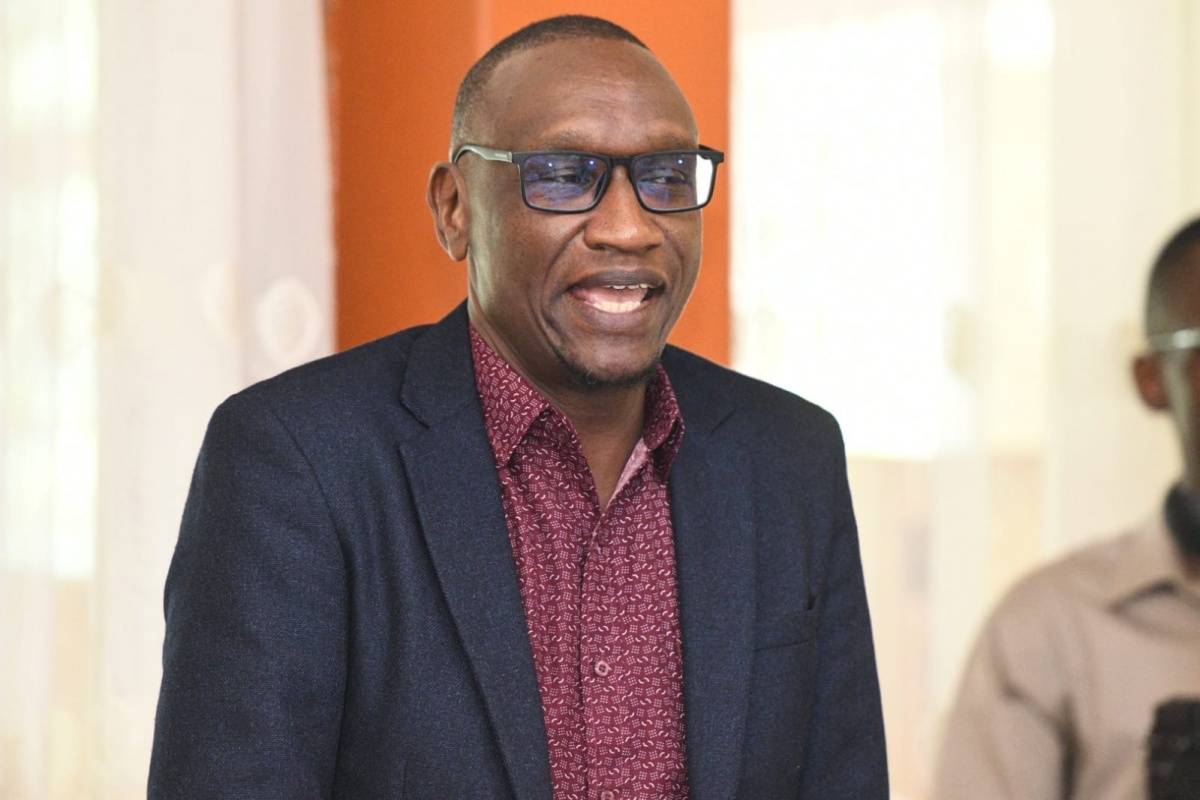
Researchers are producing research findings and publications, yet their impact is only recognized through the citations in academic circles. Most often, the research findings do not impact the community. Therefore, the question that the workshop attempted to answer, 'How then can Researchers ensure that their research findings impact not only the communities, the practice, but also inform policies in the Agrifood systems?
Introspection questions that were highlighted throughout the week.
1. Should a researcher/ an academic institution also draw a research agenda aligning with the government of the day? or the funders? at the end of the policies align with politics.
2. The Community, the Industry and, the policy makers should be involved in the research process from the onset so that they uptake of the research findings can be made easier.
3. The researchers should work with other disciplines (Scientists should work with anthropologists, social sciences) so that they understand issues that are barriers for the community to uptake the research findings; culture, perceptions and also lack of knowledge.
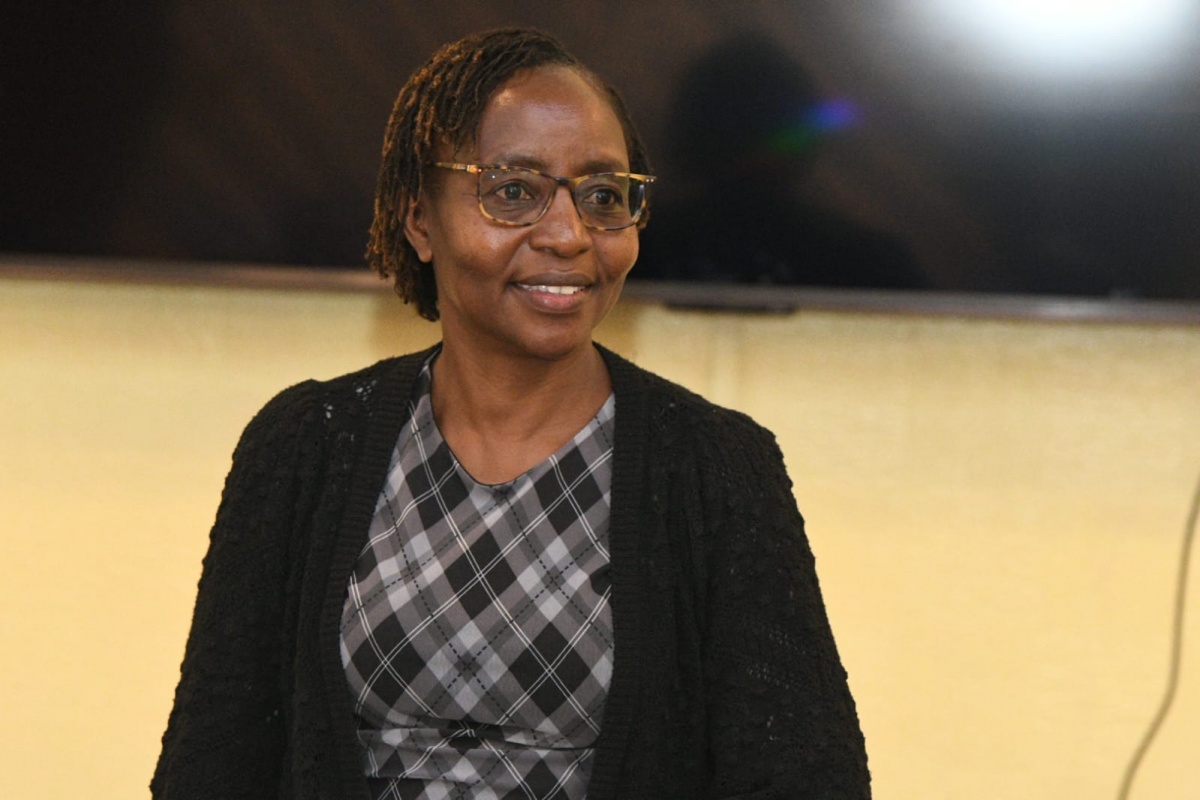
Prof. Cecilia Onyango took the participants through the sessions, ' Why Science Translation?’, ‘The Role of evidence in policy making and practice’, evidence from classical research- systematic reviews to inform policy and practice.’
Prof. Cecilia underscored the urgency of researchers getting out of the proverbial ivory tower to learn how to translate their evidence into a language that the community can understand. There is a lot that can be cured in our world, if only, researchers can translate their research evidence from the shelves to the communities.
She noted, ‘Impact is not accidental—it is designed, and science translation is a core design element.’ She urged the participants to draw impact pathways, translate different parts of the research evidence for the different audience, even aligning the content type and determine the channel of use.’
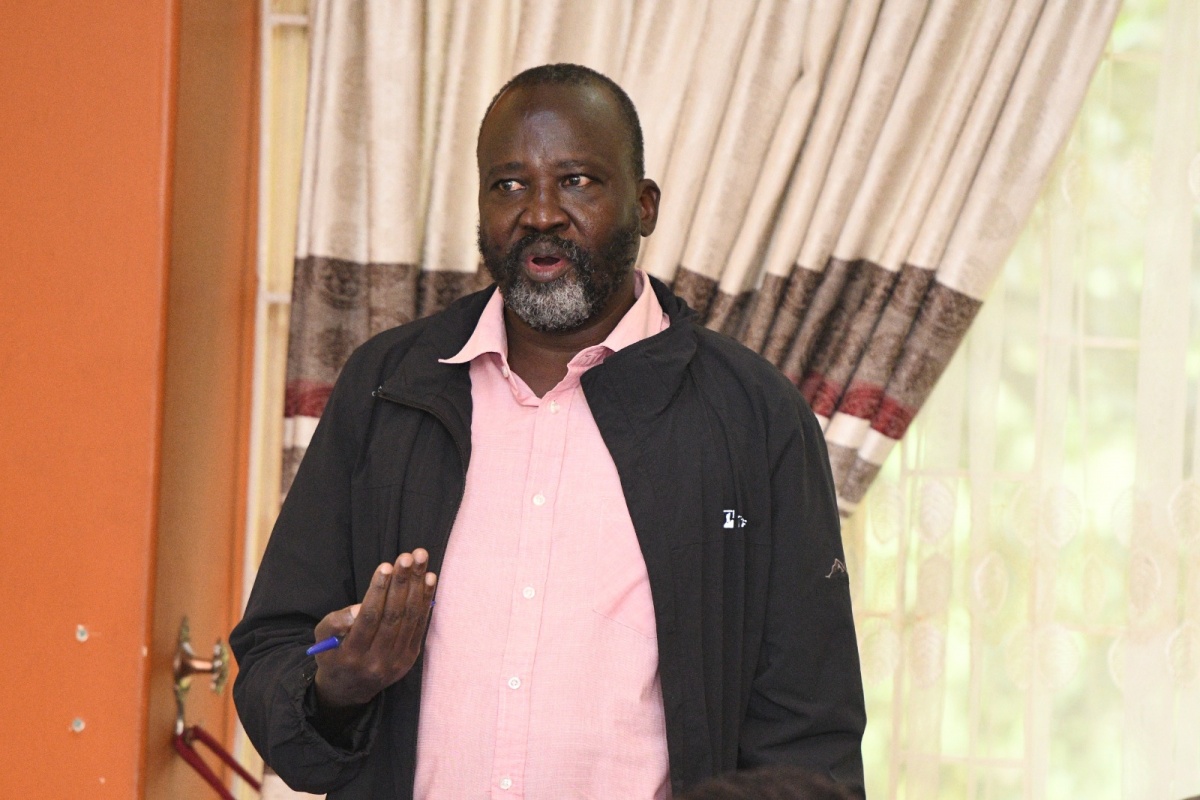
While Prof. Raphel Lotira, delivered a persuasive session on the role of evidence in policy making and practice and evidence from participatory research- policy and practice implications. Prof. Lotira demystified participatory research and introduced the different categories of effective stakeholder engagement, participatory research that is not manipulative and how then to involve the community, especially, those that will implement the research findings.
Peter Owoko, a government policy maker, took the attendees through the, ‘Agricultural policy making process: principles and realities’ Dr. Owoko first highlighted the impact of Agriculture in the various sectors of the economy and then took the audience through the policy making processes, factors to consider when influencing policies and policy-making process.
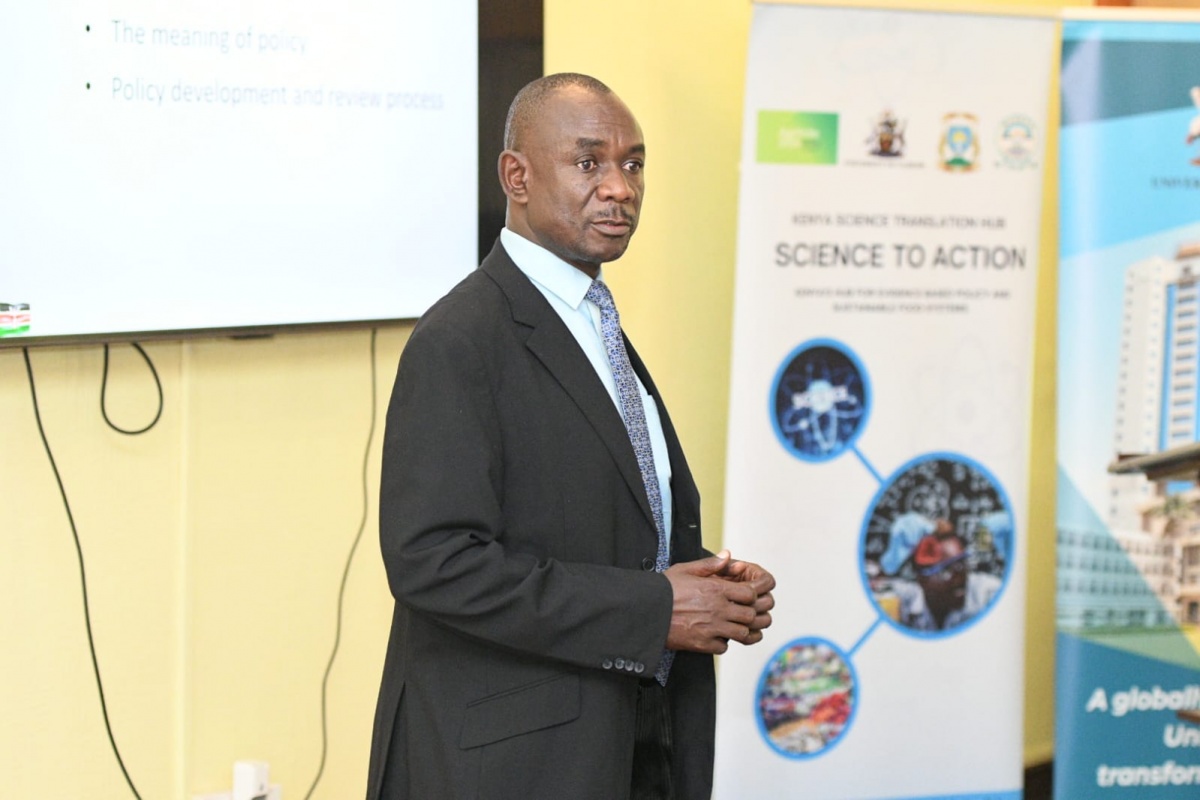
Ms Ann Nyamu, trained on communication of research results to non-scientific audience and took the attendees through oral communication and writing of policy briefs.
‘Good research alone is insufficient. To have impact, it must be communicated to the right people, at the right time and in the right way’
Ms Nyamu took the audience through practicals on presentations, preparation of effective powerpoints and pitching effectively within a short time.
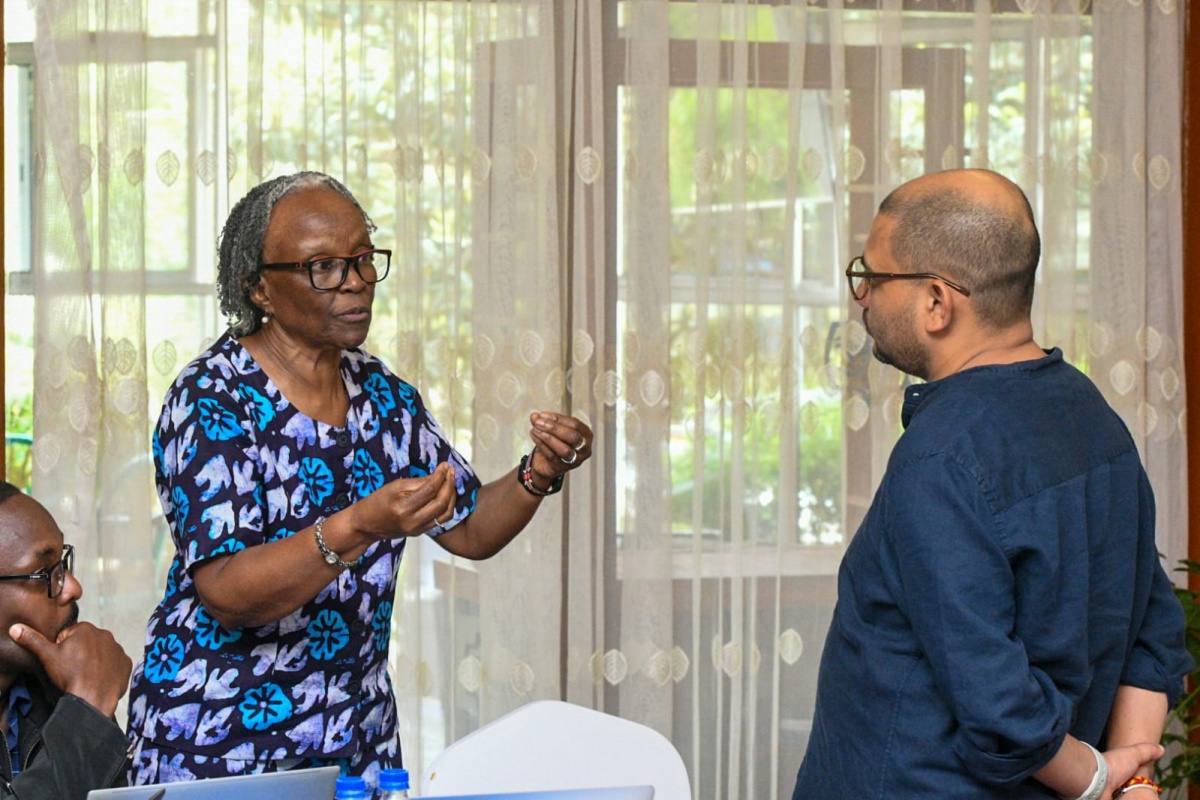
Speaking during the opening ceremony, the Deputy Vice-Chancellor in charge of Research, innovation and Enterprise, Prof. Leonida Kerubo pledged management’s commitment in support of the integration of the translation framework into the University’s curricula and research strategy, she noted, ‘This will ensure our academic outputs are not only excellent, but also, fundamentally relevant to the socio-economic transformation of our country.’
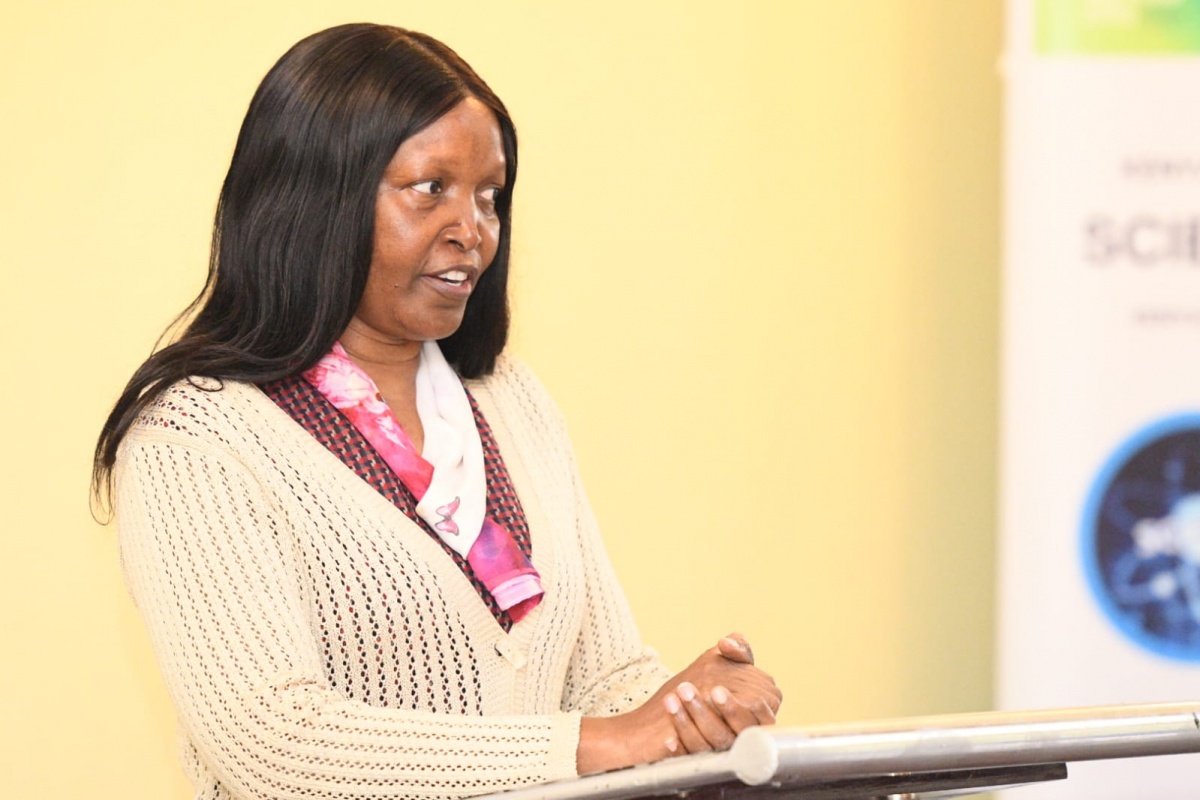
The Workshop has been attended by Early-career researchers from the University of Leeds, University of Embu and University of Nairobi from different sectors.
Watch testimonials from the attendees